
Managing business assets efficiently is one of the most critical challenges companies face today, regardless of their size or industry. Whether you are running a growing warehouse, a bustling construction firm, or an office managing numerous IT devices, keeping track of tools, equipment, and stock can quickly become overwhelming if you rely on outdated methods. Traditional paper logs, messy spreadsheets, and manual counting are not only incredibly time-consuming, but they also leave wide room for human error. When items go missing or stock numbers do not match reality, your business loses both time and money. Fortunately, modern technology offers a powerful and straightforward solution to this problem. By implementing modern tracking solutions, companies can completely transform how they manage physical resources. If you are looking to streamline your daily operations and gain total visibility over your stock, utilizing advanced tools like QR Asset software for inventory control can make a massive difference in your workflow and overall productivity.
To understand why traditional inventory tracking fails, we need to look at how quickly inventory moves in a typical business environment. Items are constantly being checked out, moved between locations, assigned to different employees, or sent away for maintenance. If every single one of these movements requires a worker to manually type serial numbers into a desktop spreadsheet, bottlenecks are bound to happen. Employees get frustrated, shortcuts are taken, and inventory records become inaccurate. Modern inventory control removes this friction by placing the power of data collection directly into the hands of your staff using the smartphones and mobile devices they already carry every single day. Instead of typing long identification numbers, workers can simply scan a code and instantly update the status of an item in real time.
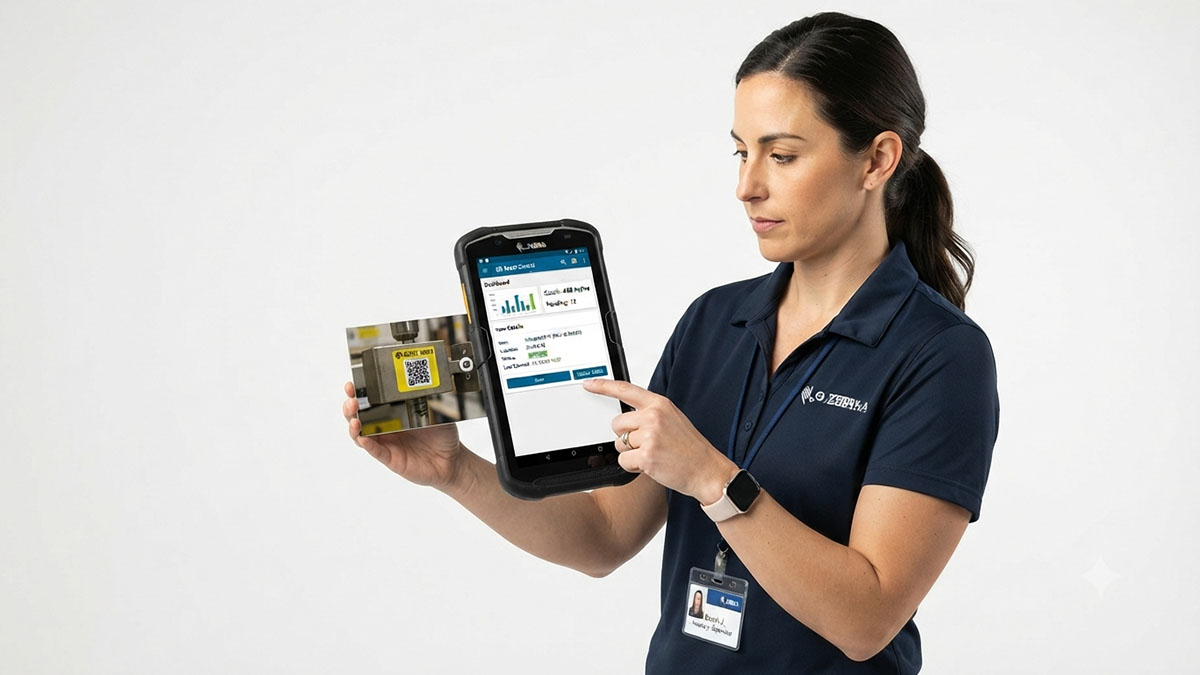
The core technology behind this modern approach is surprisingly simple yet remarkably effective. Quick Response codes, commonly known as QR codes, are two-dimensional barcodes that can store a vast amount of data. When scanned with a mobile device’s camera, the code immediately directs the system to the correct item profile within your database. This means that every single asset or product can have its own unique digital identity. When you integrate these codes with specialized management platforms, you gain the ability to track every single movement from the moment an item enters your facility until the day it is retired. This level of transparency ensures that you always know who has what, where it is located, and whether it requires servicing or replacement.
One of the greatest advantages of adopting a mobile-friendly inventory tracking system is the dramatic reduction in onboarding time for new employees. In the past, training someone to manage stock control meant teaching them complex database software or complicated naming conventions. With a streamlined app-based system, the learning curve is practically non-existent. If a worker can operate a smartphone camera, they already know how to scan and update inventory. This ease of use encourages full team compliance, which is often the biggest hurdle in inventory management. When your staff actually enjoys using the system because it is fast and painless, your inventory records will remain accurate and up-to-date naturally, without requiring constant oversight from management.
Accuracy in stock control directly impacts your bottom line in multiple ways. First, it prevents unnecessary duplicate purchases. Many businesses end up buying new equipment simply because they cannot find the existing items that are already sitting somewhere in a storage room or on a different job site. With a centralized digital platform, a quick search reveals the exact location of any tool or product instantly, saving hundreds or thousands of dollars in redundant spending. Second, accurate tracking helps you maintain optimal stock levels. You will no longer run out of essential supplies unexpectedly, nor will you tie up too much capital in excess stock that sits on shelves gathering dust. You can set up automated alerts that notify you when quantities drop below a specific threshold, ensuring you always reorder at the perfect time.
Maintenance tracking is another vital area where automated inventory systems prove their immense value. For businesses that rely on expensive machinery, vehicles, or specialized technical tools, unexpected breakdowns can halt operations completely and cost thousands of dollars in delays. By incorporating maintenance schedules directly into your asset profiles, you can track usage hours, log past repairs, and schedule routine servicing before a failure occurs. When a technician scans a code on a piece of equipment, they can immediately view its entire service history and add new notes on the spot. This proactive approach extends the lifespan of your valuable assets and ensures that your team always has access to safe, fully functional working gear.
Security and accountability also improve dramatically when every item is tied to a digital trail. In many workplaces, items tend to wander off or disappear without explanation. When employees know that every tool checked out requires a quick scan linking it directly to their profile, accountability skyrockets. People naturally take better care of equipment when they know it is explicitly registered in their name. Furthermore, if a dispute arises regarding who last used a specific device or where a missing shipment was left, you can easily pull up the audit trail to see the exact time, date, and user associated with the last scan. This transparency builds a culture of responsibility across your entire organization.
Implementing a new software solution might sound intimidating to business owners who are worried about complex IT setups or lengthy data migrations. However, modern platforms are designed with cloud-based architecture, meaning you do not need expensive servers or complicated local installations to get started. You can import your existing item lists via standard spreadsheet files, print out your custom code labels using standard office printers or specialized label makers, and begin scanning within a matter of hours. The flexibility of cloud storage also means that your management team can check inventory levels from anywhere in the world, whether they are sitting in the main office, visiting a remote warehouse, or reviewing reports from home on a tablet.
As your business grows and expands, your inventory control system needs to be able to scale right along with you. A small startup might begin by tracking a few dozen high-value assets, but as operations ramp up, that number can quickly grow into thousands of items across multiple warehouses or service vehicles. A robust tracking platform handles this growth effortlessly without slowing down or becoming disorganized. You can create different permission levels for various team members, allowing frontline workers to perform quick check-ins and check-outs while reserving administrative controls, vendor management, and financial reporting for senior managers or business owners.
Choosing the right partner for your inventory management needs is a crucial step toward achieving long-term operational efficiency. You want a platform that balances deep functionality with an intuitive user interface, ensuring that your team adopts the technology without resistance. By moving away from chaotic manual spreadsheets and embracing smart, mobile-driven tracking, you free up countless hours of valuable working time that can be reinvested into growing your business and serving your customers better. When your inventory is fully organized, transparent, and under control, the entire enterprise runs smoother, reducing daily stress and setting a solid foundation for future success. Taking that first step toward modernizing your asset tracking is an investment that pays for itself many times over through increased efficiency, reduced loss, and total peace of mind.
Transforming Daily Operations
Let us look at a practical scenario. Suppose you manage a busy equipment rental company. Tools and machinery go out and come back every single day. In the past, keeping track of who had what required a messy binder full of signatures and dates. Pages got lost, and items vanished.
By implementing QR Asset software for inventory control, the entire checkout process becomes digital. When a worker grabs a power drill, they scan its unique code, link it to their employee profile, and set a return date. The system logs the exact timestamp. When the drill comes back, another quick scan marks it as returned and ready for the next job. There is no guesswork, no finger-pointing, and complete transparency from start to finish.