Tag Archives: could

Ovarian Cancer Vaccine: Could OvarianVax Stop the Disease Before It Starts?

A groundbreaking cancer vaccine, OvarianVax, is currently being developed by researchers at the University of Oxford. This potential vaccine offers new hope in the fight against ovarian cancer, a disease known for its high mortality rate and silent progression. If successful, OvarianVax could prevent ovarian cancer from developing, changing the way the disease is approached… Read More: Ovarian Cancer Vaccine: Could OvarianVax Stop the Disease Before It… »

Two Simple Habits That Could Help You Maintain a Healthy Weight

Managing your weight isn’t just about what you eat, but also when you eat. New research has uncovered two key habits that may be linked to maintaining a healthy body weight over time: extending the overnight fasting period and having an early breakfast. These habits, according to a study published in the International Journal of… Read More: Two Simple Habits That Could Help You Maintain a Healthy… »

A Breakthrough Nasal Spray That Could Block COVID-19, Flu, and Common Cold

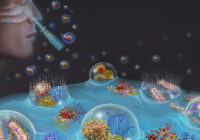
Respiratory infections like COVID-19, influenza, and the common cold are primarily spread through airborne respiratory droplets. These droplets enter our bodies through the nasal passages, where pathogens can begin to take hold. However, recent scientific advancements are showing promise in stopping these infections before they even start. A team of researchers from Brigham and Women’s… Read More: A Breakthrough Nasal Spray That Could Block COVID-19, Flu, and… »

Brain-repair discovery could lead to new epilepsy treatments

University of Virginia School of Medicine researchers have discovered a previously unknown repair process in the brain that they hope could be harnessed and enhanced to treat seizure-related brain injuries. Common seizure-preventing drugs do not work for approximately a third of epilepsy patients, so new and better treatments for such brain injuries are much needed.… Read More: Brain-repair discovery could lead to new epilepsy treatments »